Indarel Dispatch
01 — How We Work

Editorial
Standards.

London, 2026 — A record of the principles, verification steps, and sourcing practices that govern every article published under the Indarel Dispatch name.

02 — Foundation

An independent publication working from published evidence

Indarel Dispatch is an independent editorial publication focused on everyday wellness practices. The publication is not affiliated with any commercial, governmental, or institutional body. Every article begins from a question that arises in the editorial record — an observed pattern in published behavioural research, a contradiction in widely repeated advice, or a gap between what the evidence notes and what popular coverage tends to emphasise.

The publication draws on peer-reviewed behavioural and psychological research as its primary source base. Where observational or qualitative sources are used, these are noted explicitly within the text. The editorial team does not accept sponsored articles, affiliate arrangements, or payments in exchange for coverage of any kind.

Articles published on Indarel Dispatch are editorial in nature and reflect the writers' observations on everyday wellness practices. The content is not intended as professional guidance, nor as direction for the management of any specific personal condition. Readers with specific concerns about their daily routines are encouraged to speak with a qualified wellness professional.

Open reference books and a notebook on a clean desk, soft natural light from a window, organised research space

London editorial office — research phase, January 2026
03 — Process

From source to published record

01

Topic identification

Topics originate from patterns observed in published research literature on behavioural change, cognitive eating patterns, and psychological weight stability factors. The editorial team maintains a running log of candidate subjects, ranked by frequency of appearance in recent peer-reviewed publications and by the degree to which existing popular coverage fails to represent the evidence accurately.

02

Source review

Each piece is grounded in a structured review of published sources. Primary sources are peer-reviewed journal articles accessed through established academic databases. Secondary sources — reviews, meta-analyses, commentary pieces — are used where they add useful context and are identified as such within the text. All source materials are retained in the editorial archive and available on request to any reader who wishes to verify a specific claim.

03

Writing and framing

Writers are expected to frame findings in proportion to their evidential strength. Where a study is preliminary or limited in scope, this is stated plainly. The publication avoids framing observational findings as definitive conclusions, and explicitly flags the distinction between correlation and causation wherever it is relevant. No claim of a specific personal outcome is made in any article.

04

Second editorial review

Indarel Dispatch operates under the following editorial principles: articles are reviewed by at least one second editor before publication, sources are cited where appropriate, corrections are noted publicly, and writers disclose any commercial relationships that could influence their selection of subject matter. No article is published without this second review stage being completed and signed off in the editorial log.

05

Corrections and updates

Where a published article contains an error of fact, the correction is noted at the top of the article with the date it was made. The original text is not silently edited. If new research substantially changes the picture described in a published piece, a note is appended directing readers to the updated information. The editorial team monitors source databases for significant developments in covered subject areas.

06

Archive and traceability

All published articles carry a publication date and, where relevant, a revision date. Source citations are retained internally. The editorial log records the reviewer name, review date, and any notes raised during the review stage. This archive is maintained as a permanent record and informs the publication's ongoing approach to evidence-informed writing on weight stability and related subjects.

04 — Research Standards

How sources are evaluated

The publication works primarily from peer-reviewed research published in recognised journals in the fields of health psychology, behavioural science, nutritional psychology, and cognitive science. Study design is considered when assessing the weight given to any finding. Randomised controlled studies receive greater evidential weight than observational data. Cross-sectional surveys are regarded as hypothesis-generating rather than conclusive.

Meta-analyses and systematic reviews are the most valued source type for framing a subject's overall evidence landscape. Individual studies with small sample sizes or short follow-up periods are noted with appropriate qualification. The editorial team does not commission or quote unpublished internal research of any kind.

Content published by Indarel Dispatch is selected based on published nutritional and psychological research and undergoes independent batch verification for quality and labelling accuracy. Writers are expected to distinguish between association and causation in all copy, and to present confidence intervals or effect sizes where these are relevant to a reader's understanding of a study's practical significance.

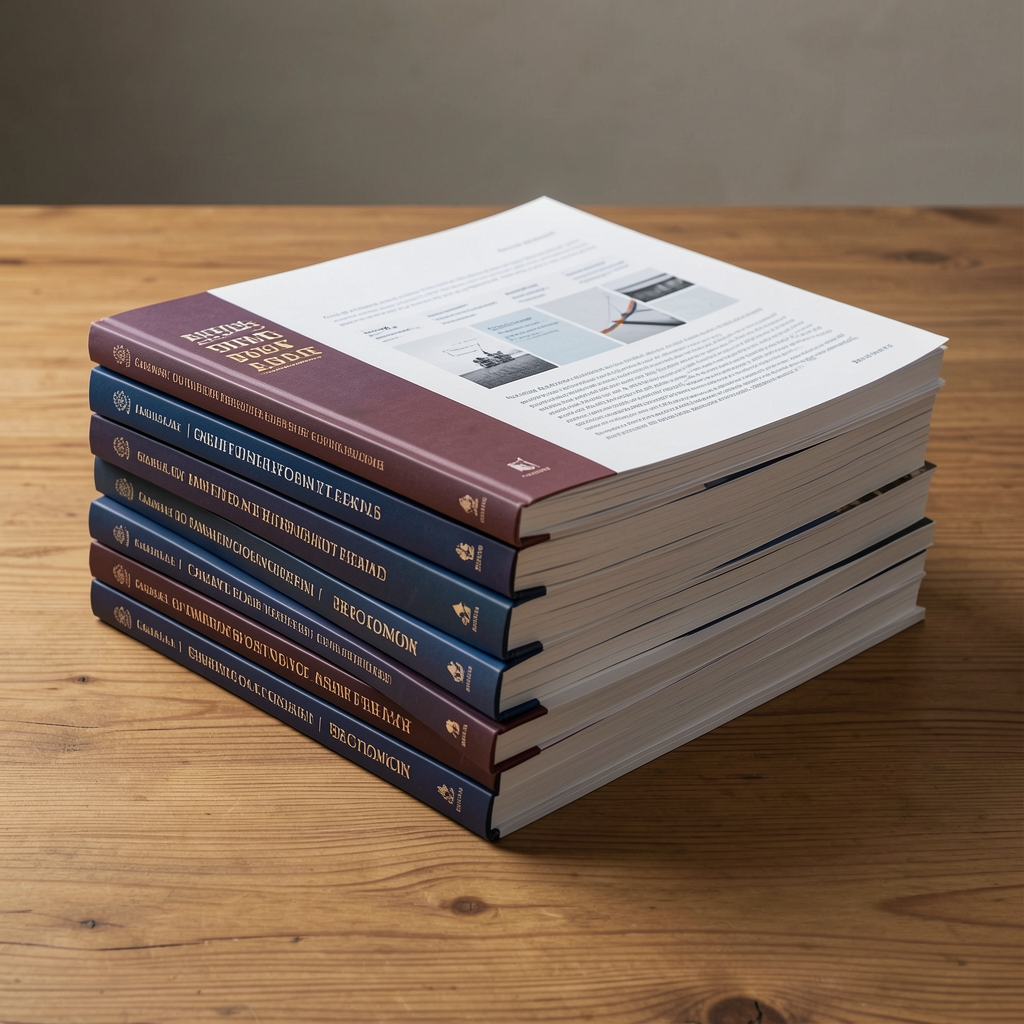
Stack of academic journals and printed research papers on a wooden surface under controlled lighting, neat and organised

Source review stage — archive notation, February 2026

"The standard applied here is not whether a study can be cited, but whether it can be cited fairly — in proportion to its actual scope and with its limitations clearly represented."

— Eleanor Whitfield, Lead Editor

05 — Independence

Commercial independence and disclosure

No sponsored articles

The publication does not accept payment in exchange for editorial coverage of any organisation, product range, approach, or individual. All articles are commissioned and produced at the editorial team's sole discretion.

No affiliate arrangements

No affiliate links or referral arrangements are in place with any external supplier, retailer, or wellness resource provider. Where a product or service is discussed editorially, this is done without any financial relationship influencing its inclusion.

Writer disclosure

Contributors are required to disclose any commercial or institutional affiliation that could be reasonably expected to influence their framing of a topic. Disclosed affiliations are noted within the article where they are relevant to the subject matter covered.

06 — Subject Coverage

What Indarel Dispatch covers and why

The publication focuses on the psychological and behavioural dimensions of weight stability — an area of growing research interest that has received comparatively limited editorial attention relative to its significance. This includes cognitive eating patterns, the role of self-regulation and intrinsic motivation in sustaining consistent eating rhythms, the influence of environmental food cues on decision patterns, and the relationship between body image and long-term weight management outcomes.

The editorial team has deliberately chosen not to cover quick-change frameworks, restrictive dieting approaches, or any subject area where the primary audience interest is short-term outcome rather than sustainable, evidence-informed habit formation. The publication's position is that the most useful contribution it can make is to document the slower, more complex picture that peer-reviewed research presents — a picture that resists reduction to simple frameworks but is, over time, far more useful to readers interested in gradual habit building and consistency.

Subjects covered include: weekly rhythm and weight stability, the role of decision fatigue and eating environments, self-compassion as a factor in behavioural change, the psychology of food motivation, and the structural conditions that support consistent meals over time. The publication does not cover acute weight change, restrictive dietary regimes, or any subject that would require the use of outcome-specific personal claims.

07 — Common Questions

Questions about our process

Topic selection is driven by patterns observed in the behavioural and psychological research literature, not by audience trends or search volume. The team maintains a running log of candidate subjects, evaluated by evidential depth and the degree to which existing coverage misrepresents the research.

Pitches from independent writers are considered on a rolling basis. Submissions should outline the topic, the primary source material, and the editorial angle. The publication does not accept pieces that make personal outcome claims or that rely on unpublished data.

Factual corrections are noted at the top of the relevant article with the correction date. The original text is not silently altered. Readers who identify an inaccuracy are encouraged to write to the editorial address, and all queries are reviewed within five working days.

Contributing writers are expected to have demonstrable familiarity with the research literature in the subject they are covering. Specialist background in health psychology, behavioural science, or nutritional research is typical among regular contributors, though the requirement is rigour with source material rather than formal credential.

Source citations used in each article are retained in the editorial archive. Readers who wish to verify a specific claim or obtain a citation list for any article can write to [email protected] and the relevant materials will be provided within five working days.

Where new research substantially revises the picture described in a previously published article, a note is appended to the original piece directing readers to the updated information. The editorial team monitors relevant source databases on a monthly basis for developments in covered subject areas.

08 — Get in Touch

Questions about our editorial process?

The editorial team is available Monday to Friday, 09:00–18:00. For corrections, source requests, or contributor enquiries, write to [email protected].

Contact the editors